

A complete course covering EV history, vehicle dynamics, motors, battery systems, charging infrastructure, power electronics, and machine learning applications — with a dedicated module on careers in India's EV industry
Receive an official certificate upon successfully completing this course. Share it on LinkedIn, add it to your resume, and showcase your achievement with confidence.


Explore our diverse range of courses designed to enhance your skills and knowledge. From beginner to advanced levels, we have something for everyone to help you achieve your goals.
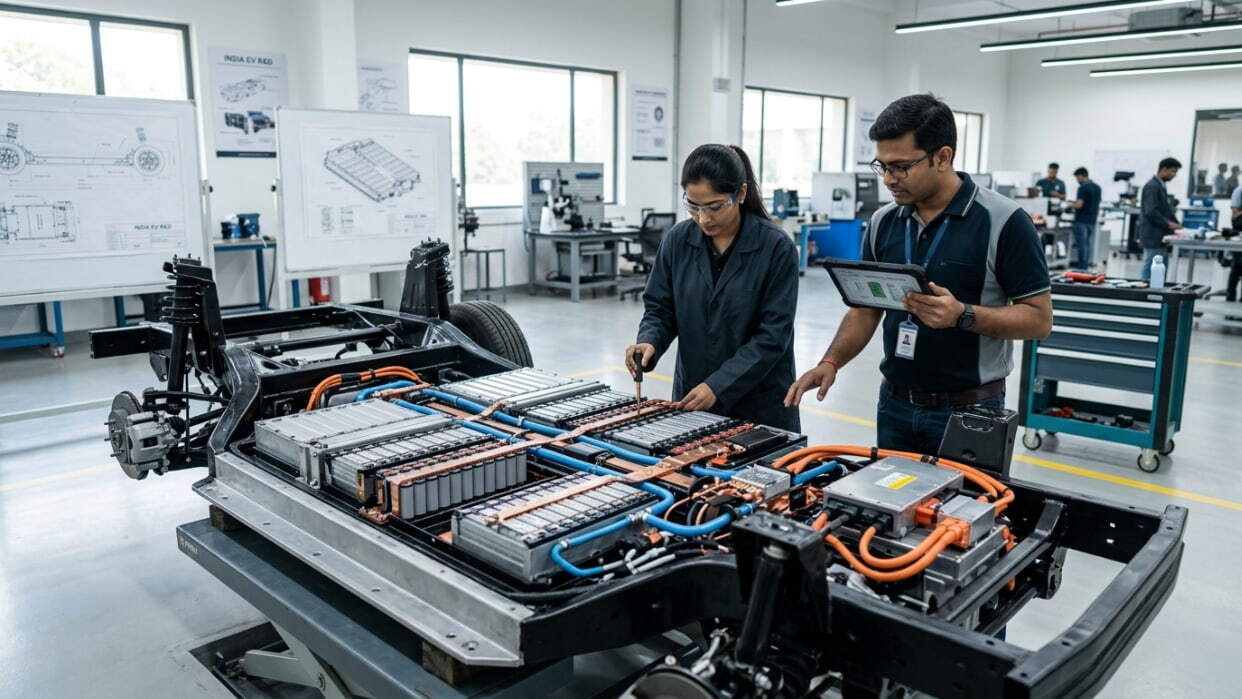
Master battery chemistry, pack construction, state-of-charge methods, and electrochemical modelling from fundamentals to Simulink simulation.
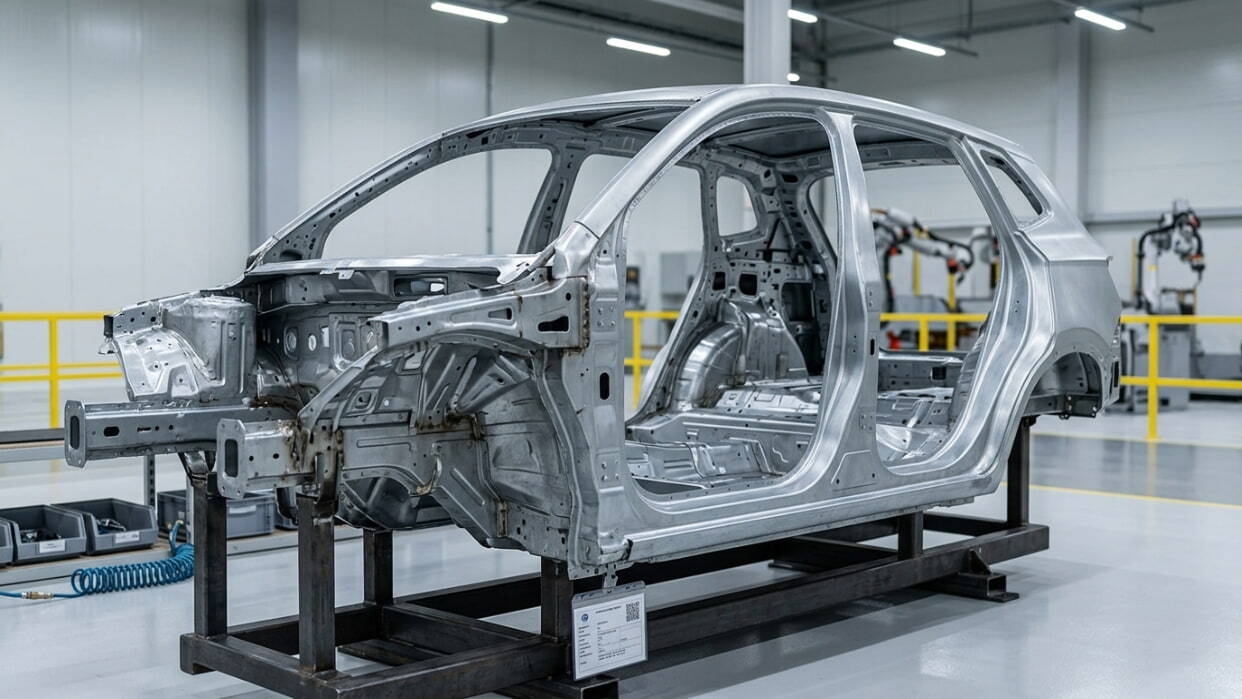
A structured course covering BIW architecture, materials, manufacturing processes, joining methods, crash regulations, and job opportunities in India's automotive industry.
Find answers to common questions about the course, enrollment, and certification.
Both can take this course. Module 8 has a dedicated lesson for each discipline, mapping the specific skills mechanical and electrical engineers need to develop for EV roles. No deep electrical theory is assumed — concepts are introduced before being applied.
OEMs (Tata Motors EV, Mahindra Electric, Ola Electric, Ather Energy), Tier-1 and ER&D firms (KPIT, Tata Technologies, Bosch India), and EV infrastructure companies (Tata Power EV, ChargeZone, Statiq). Module 8 covers the top employers and what each looks for.
Module 10 focuses on how ML is applied in EV contexts — battery state estimation, energy optimisation, and autonomous driving perception. It is introductory and application-focused, not a machine learning course. It gives you the vocabulary and context to understand AI-integrated EV systems.
A Zikshaa completion certificate, lifetime access to all 61 lessons, and a clear picture of the skills and roles available in India's EV industry.