

A structured course covering BIW architecture, materials, manufacturing processes, joining methods, crash regulations, and job opportunities in India's automotive industry.
Receive an official certificate upon successfully completing this course. Share it on LinkedIn, add it to your resume, and showcase your achievement with confidence.


Explore our diverse range of courses designed to enhance your skills and knowledge. From beginner to advanced levels, we have something for everyone to help you achieve your goals.
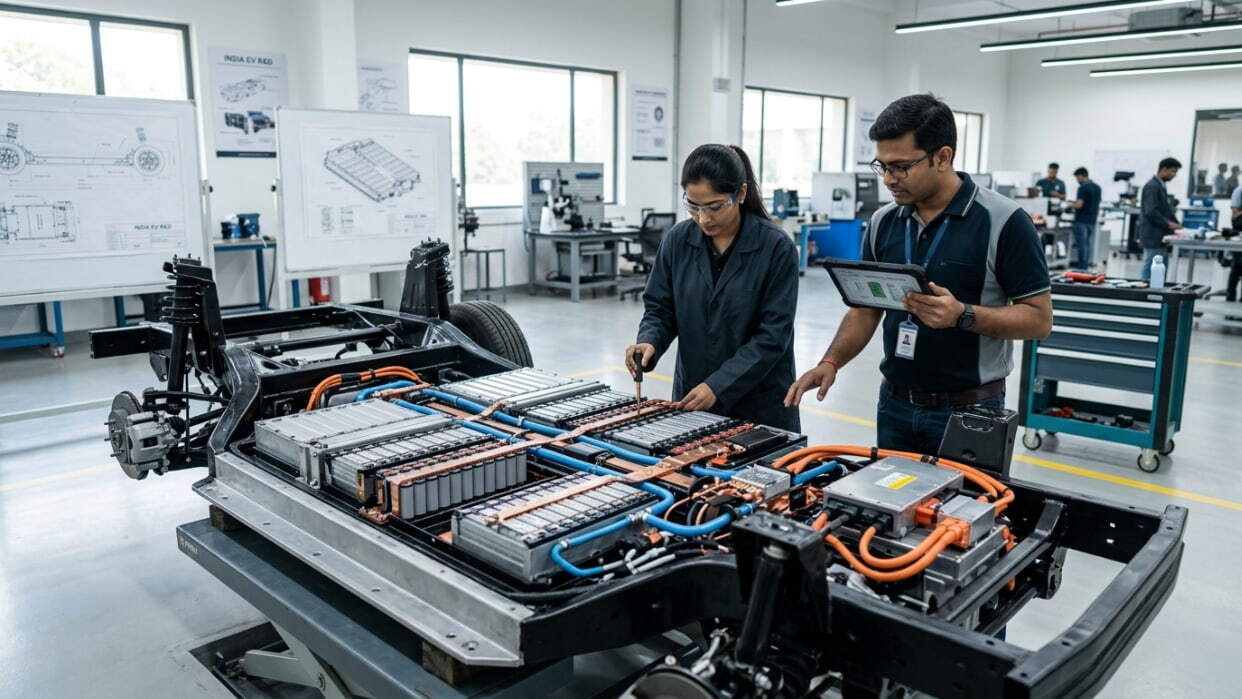
Master battery chemistry, pack construction, state-of-charge methods, and electrochemical modelling from fundamentals to Simulink simulation.
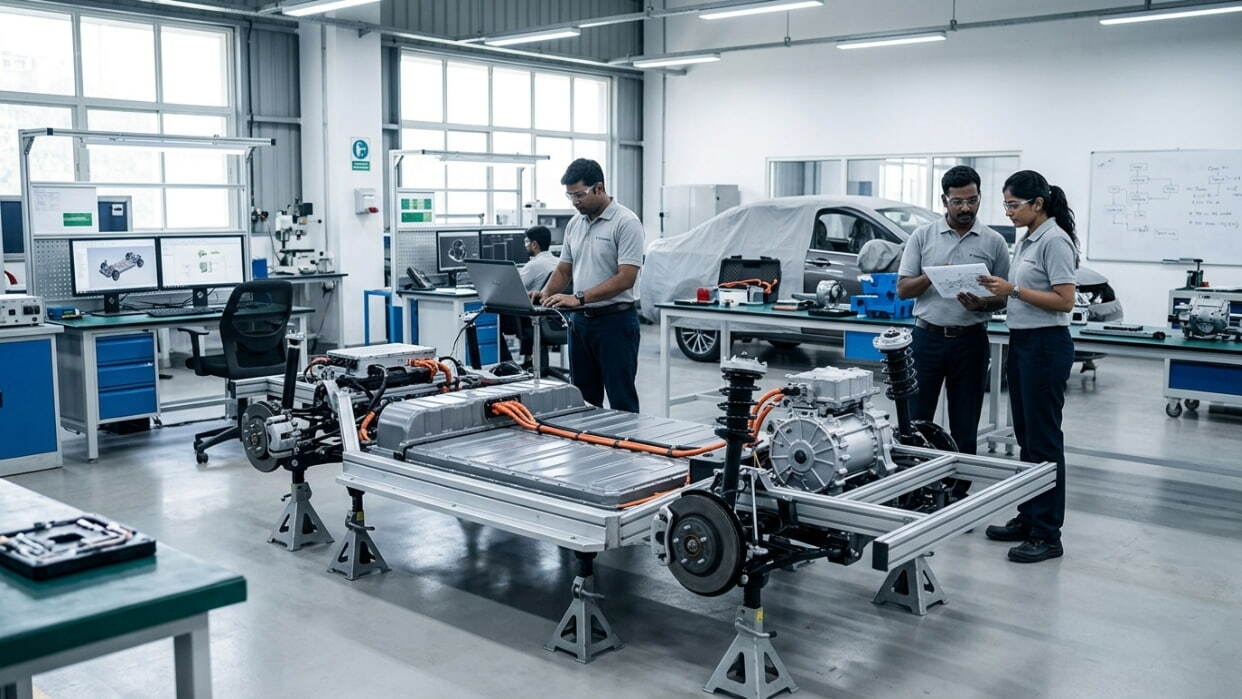
A complete course covering EV history, vehicle dynamics, motors, battery systems, charging infrastructure, power electronics, and machine learning applications, with a dedicated module on careers in India's EV industry.
Find answers to common questions about the course, enrollment, and certification.
No. The course starts from first principles in Module 1. You need a basic mechanical engineering background, understanding of materials and forces at degree level — but no prior BIW or automotive exposure.
Tata Technologies, KPIT Technologies, L&T Tech Services, Capgemini Engineering, Quest Global, and Mahindra Engineering. Module 6 has a dedicated lesson on job opportunities and the skills these companies look for.
Yes, Module 6 includes a lesson on software used in BIW engineering, covering CATIA V5, Siemens NX, HyperMesh, and Teamcenter, and explaining where each fits in the development process.
A Zikshaa completion certificate, lifetime access to all 49 lessons, and a clear skills roadmap for the next steps in your automotive engineering career.