

Master battery chemistry, pack construction, state-of-charge methods, and electrochemical modelling from fundamentals to Simulink simulation.
Receive an official certificate upon successfully completing this course. Share it on LinkedIn, add it to your resume, and showcase your achievement with confidence.


Explore our diverse range of courses designed to enhance your skills and knowledge. From beginner to advanced levels, we have something for everyone to help you achieve your goals.
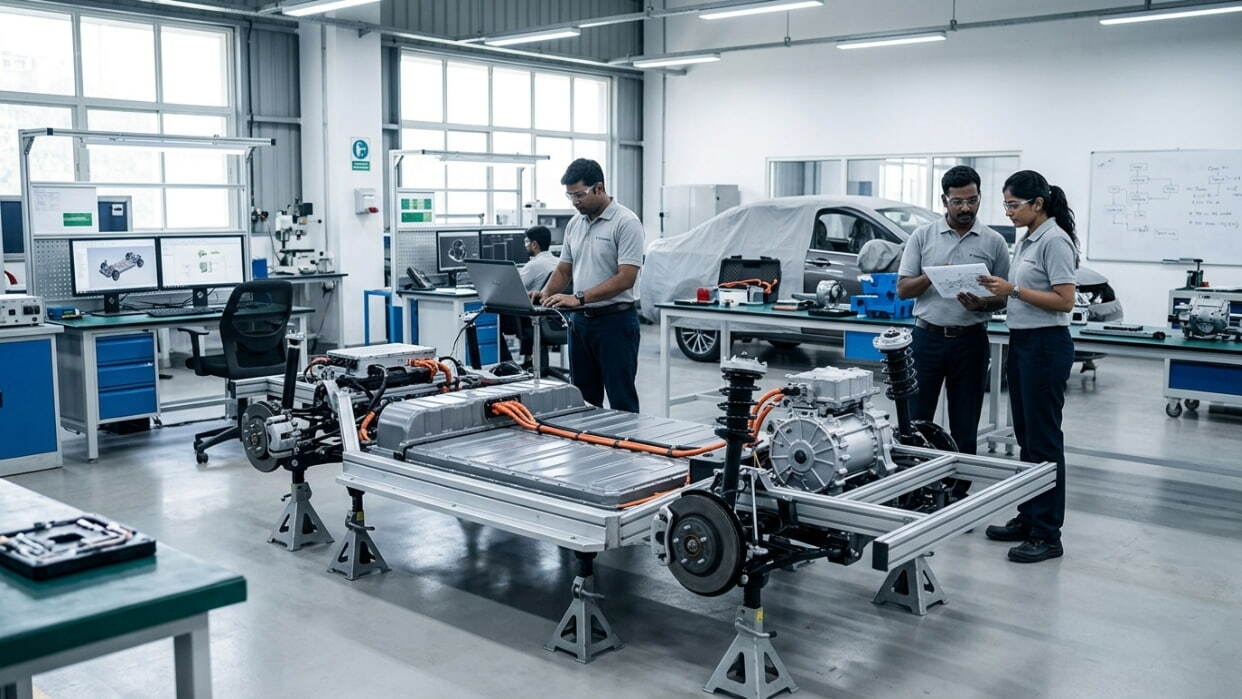
A complete course covering EV history, vehicle dynamics, motors, battery systems, charging infrastructure, power electronics, and machine learning applications, with a dedicated module on careers in India's EV industry.
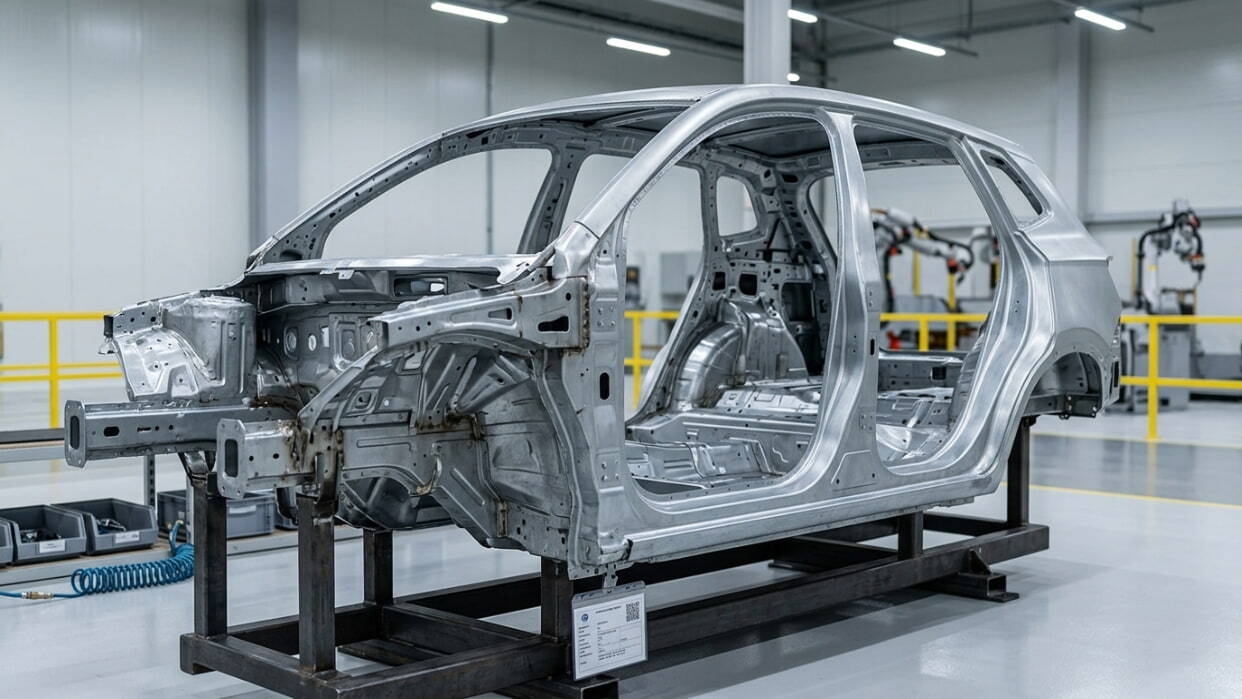
A structured course covering BIW architecture, materials, manufacturing processes, joining methods, crash regulations, and job opportunities in India's automotive industry.
Find answers to common questions about the course, enrollment, and certification.
No. Module 5 begins with Simulink Basics and Matlab Basics before the modelling sessions. If you have used MATLAB before in any engineering context you will move through those lessons quickly. If you have not, the course builds the foundation before applying it.
Yes. The chemistries covered — Lead Acid, NiMH, NiCd, and Li-based — are used across stationary storage, UPS, telecom backup, and grid-scale systems. The modelling techniques are application-agnostic and used wherever accurate battery state estimation matters.
They are complementary. Introduction to EV gives you the system-level picture; this course goes deep on battery systems specifically. A logical sequence is EV first, then this course. If you are from an electrical engineering background with no EV context, the Introduction to EV course's battery module is worth reviewing before starting Module 4 here.
A Zikshaa completion certificate and lifetime access to all 21 lessons. You will also have worked through five battery modelling approaches — OCV, first-order RC, Randles, EIS-based parameter estimation, and second-order Randles — which are directly applicable in battery R&D and BMS development roles.